

magpie patrick
-
Posts
9,087 -
Joined
-
Last visited
-
Days Won
9
About magpie patrick

- Birthday 07/07/1966
Recent Profile Visitors
54,873 profile views






magpie patrick's Achievements

Veteran II (12/12)
1.1k
Reputation
-
That's an interesting picture for all sorts of reasons! I love seeing pics of the original narrow locks on the Northern GU, they were quite distinctive and there are now only five left in working order when there were once 58 - five of the six at Camp Hill survive
-
The most reddest of red paints?
magpie patrick replied to pedroinlondon's topic in Boat Building & Maintenance
That explains why the spine of my copy of "Canals of the West Midlands" is now white, whilst all the others are still resembling their original colour. Being on shelves, the covers haven't faded, but the spines have... -
The Wilts and Berks Canal Trust probably don't share that view, having had such an accident and been investigated for it
-
It may have been a good summer but Whit week was awful. Parents booked a cottage on the banks of the Brecon and Abergavenny Canal and we spent most of the week watching the rain fall. One of the few times we got out on our dinghy the outboard got fouled with a Silver Jubilee plastic bag - kinda summed the week up!
-
And that has a mean streak telling the peasants that "this is happening - go away" - in French of course
-
I know that's tongue in cheek, but HS2 spend £100 million on one bat tunnel - that's half what CRT spent on all it's charitable activities last year. Kent County Council has an annual budget of £2 billion, just to put CRT's cashflow into perspective.
-
There are many ways in which water can leak between a lock and the pound above or below - through the gates or the paddles is but one (or two) If there is little or no obvious turbulence then it's probably leaking through the structure. Yes, this needs fixing but that's a big job and at the moment the lock works, and in a normal summer the waste of water won't be sufficient to worry CRT
-
I did think Angela Rippon was aging well! No I hadn't, and whilst some programmes don't age well, others retain their interest or even grow
-
CRT have far more information available to them now, with telemetry and modelling, as to what is going on in the catchment - not a change in criteria as such but certainly a change in decision making. Against that, the old lock keepers and lengthsmen who has seen commercial traffic probably had more of an instinctive feel for the situation
-
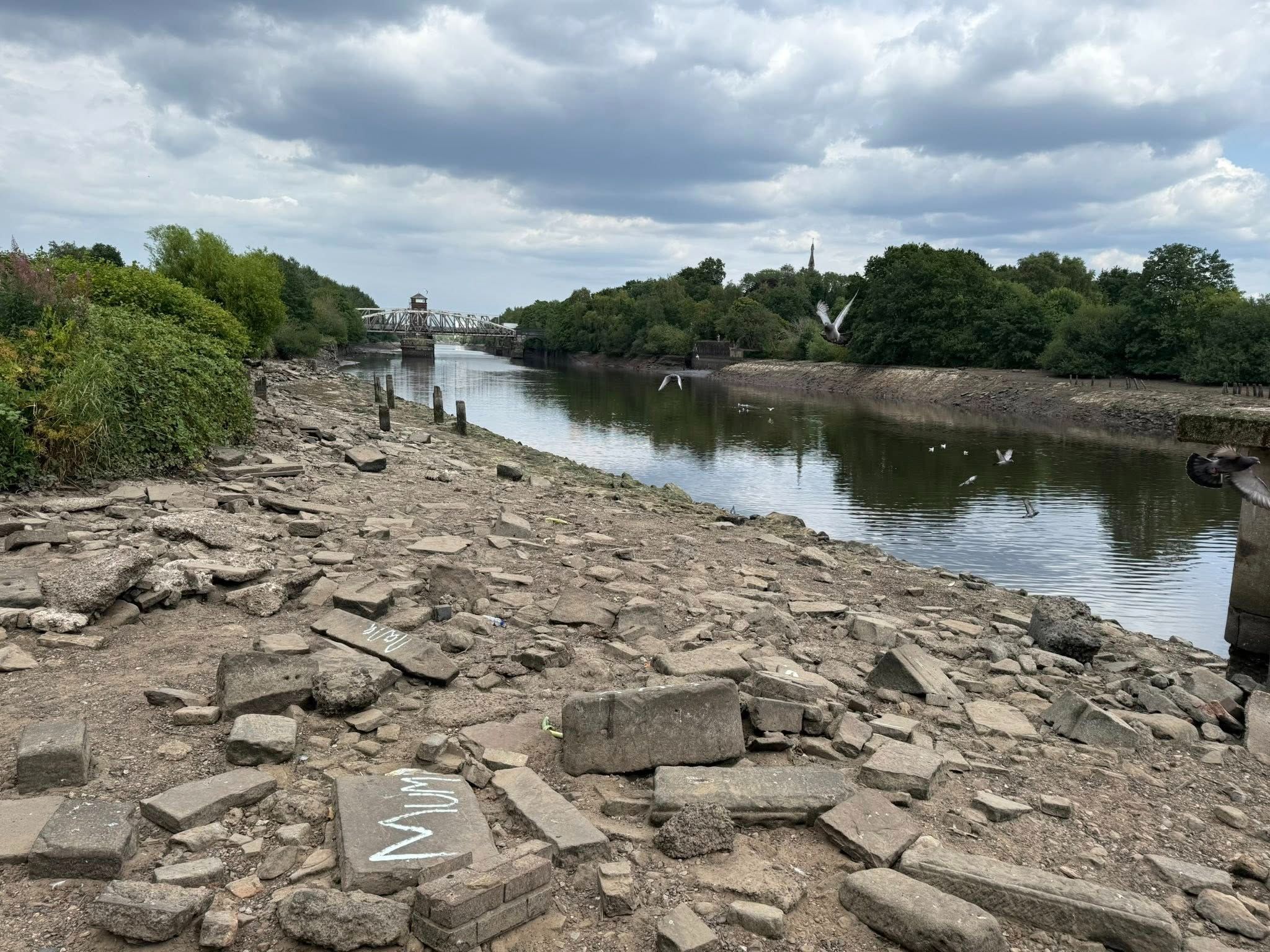
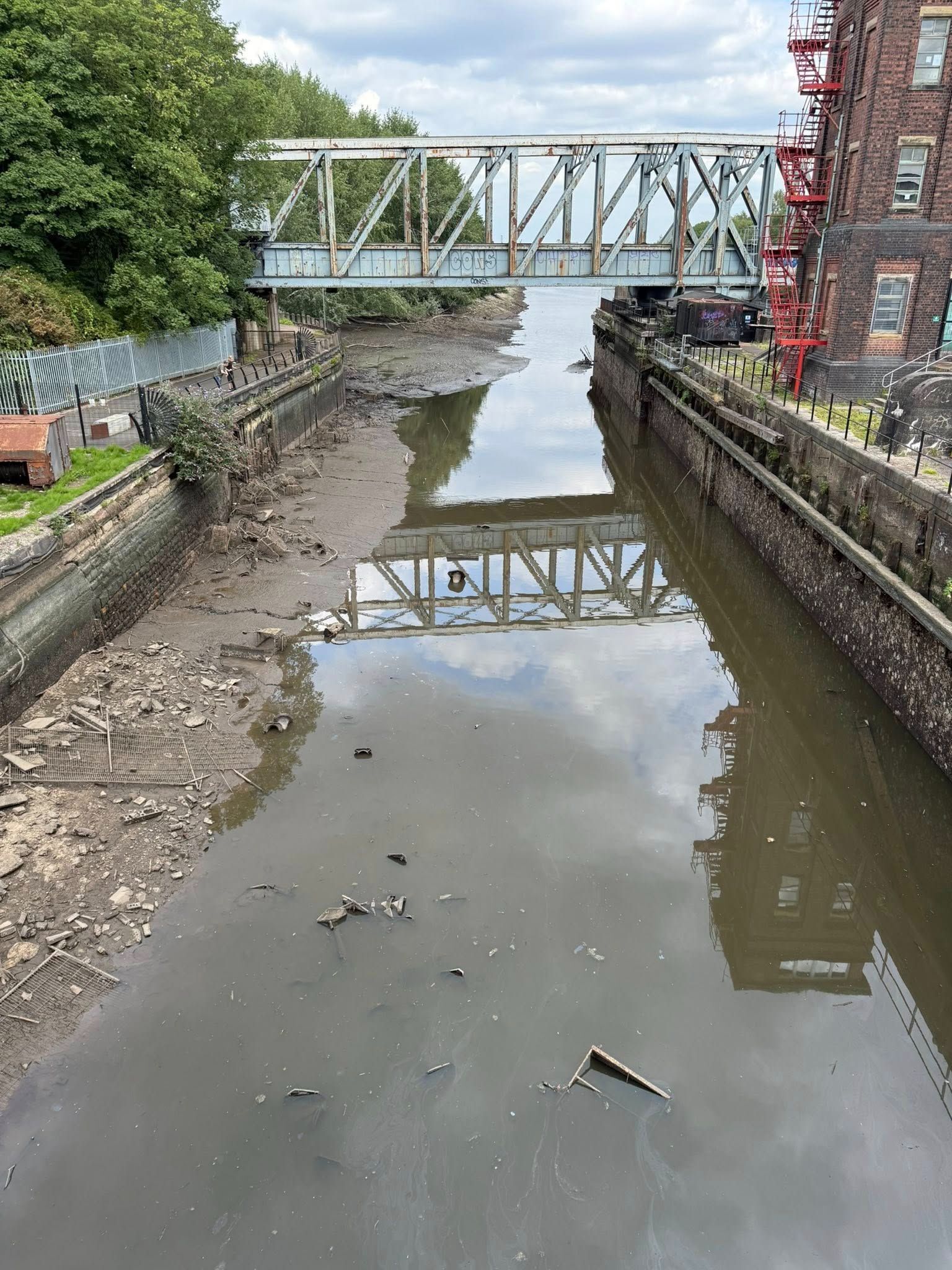
I've lifted this off facebook as many of you won't be able to follow a link to that - link provided as well. Ship Canal at Barton, more than a few inches down https://www.facebook.com/share/p/16wVuVB5om/

-
I think 76 may stick in the memory more for a variety of reasons - it wasn't just canals, the whole country was running out of water. For all the canals closing this year I haven't seen reports of standpipes for drinking water, foe example. Have we got more resilience in our public water system now? I'm trying to recall when water restrictions have affected my cruising over the years - 1990 I recall that they closed Smethwick, Spon Lane and Brades locks so all traffic on the Birmingham main line had to use Tipton. We did the Stourport ring via Wolverhampton that year, if there were other restrictions I timed the trip to not be troubled by them.
-
IIRC correctly I did the Warwickshire Ring that year, but I think I did it in April so before restrictions hit or were even envisaged perhaps? Certainly we didn't encounter any.
-
New Aqueducts - especially as part of restoration
magpie patrick replied to magpie patrick's topic in History & Heritage
That certainly defines Ynysbwllog, but I guess I also want aqueducts necessary for the canal to be restored, so the Black Water Valley would count. The M6 Toll one lacks a certain something.... -
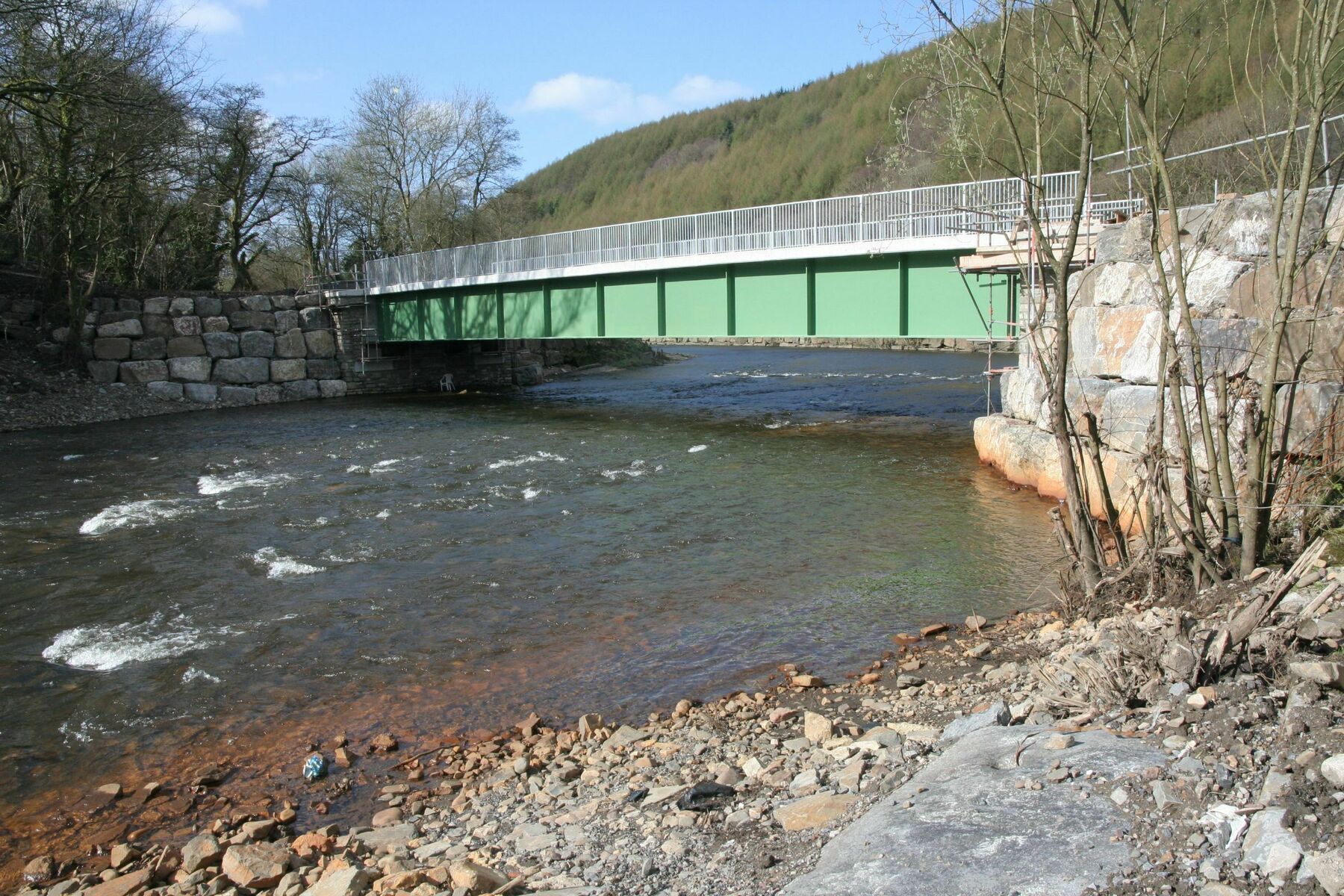
Morning all, I'm just typing up some notes on the Neath Canal, including surviving structures that can be reused in restoration - one oddity is Ynysbwllog Aqueduct, which is new, built in the 2008 as part of a restoration scheme. Note, if the history of restoration is ever documented the way Hadfield did the Canals of the British Isles, the the Neath would currently be "canals, the restoration of which was not completed"! I've been trying to think of other canals that had new aqueducts as part of restoration, and so far I've got the Perry Aqueduct on the Mont, and... that's about it. I'm aware there are other new aqueducts where infrastructure post-dated the canal, I guess these come in two cohorts - railway age and motor age! Late 20th Century is what I'm looking at. Pic of the "new" Ynysbwllog aqueduct below - If anyone has a handy pic of the original, or the pipes that spanned the gap after it was swept away, please post! Thanks
-
Certainly history if not heritage - it's easy enough to look up what the restrictions were in 1976 if you have an old set of Waterways World or similar, and also to debate how the whole set up was different then compared to now, but I though I'd offer some memories of our family holiday at Whit 76 and perhaps encourage others to do the same. I was ten that summer, so I'd be nine at Whit and @1st ade was thirteen. Mum and dad had booked a week from Fenny Compton in a 30 foot 4 berth called Curlew (remember when four berth hire boats were 30 foot long?). IIRC correctly dad's original plan had been to head south but as restrictions tightened he changed the plan to head for Snarestone and Coventry. Napton locks were open 12noon til 3pm, meaning be clear of the flight by 3pm. We got as far as Napton on the first (Saturday) night and joined the queue. I recall a boat going past us at about 10am the next day and various people pointing out that this was the queue - I think they were genuinely surprised. Anyway, our turn came and we shared with a GRP boat, the picture in my memory says it was a Dawncraft - they were ahead of us but the lock keeper put us in first as is best practice, and we made our way down the locks. We then got to Hillmorton that day, and waited for the rather more generous opening hours to go down on the Monday - after that, Hawkesbury didn't have restrictions, and we didn't need to share it! It also became the first lock I worked without assistance... Then proceeded a lock-free couple of days as we went to Snarestone, where we'd been when hiring from Alan Tingay at Shackerstone, and Coventry, where we'd never been. I don't remember much about these previous cruises, I was too young. Memories of this one are the Ashby being so quiet that one day we didn't tie up for lunch, we just drifted, and we must have been at the start of the decline of the village shop as mum couldn't get milk. Then the plan was up Hillmorton Thursday afternoon to be ready to go up Napton Friday lunchtime - but (And this is where the memories come in rather than just the historical record) we got to Hillmorton to find them already closed for the day, the hours had been reduced. Nowadays internet and mobile phones would have told us this. Dad arranged for use to get to the head of the queue, finding a Natwest boat we could fit in with, and we did our best to do Hillmorton and Napton in one day, but it was too much - we got to Napton just about 3 from memory. and were due back at Fenny Compton the next morning. Dad recalled how the hire company had complained, as we picked Curlew up, about another hirer getting stuck at Nell Bridge and the boat being late back - I think he was imagining the scene as we would arrive late... What happened next is what sticks in the mind and won't otherwise be documented. Dad spoke to the lock keeper, who said something like he didn't know the hours had changed at Hillmorton, and "they shouldn't do that, they're supposed to give notice" (or words to that effect) - however he couldn't just let us through. With a colleague he went to the lock house next to the bottom lock, reached through the window for a phone and made a big show of ringing "head office" - sometime later they rang back, he took the padlocks off and we had our own chaperoned ascent. That really does stick in my mind, on a holiday where locks had been hustle and bustle, boats sharing and following through, Dad and Adrian steered whilst me, mum and the lock keeper worked the deserted lock flight in the early evening sun - such peace.... We were, of course, back at the yard bang on time thanks to this. I've told this tale because, 9 years old then, I've just celebrated my 59th birthday - 49 years on, the grown ups involved, probably including the BW staff and the other adult boaters, are probably all dead, and you won't find tales like this in the history books. Comments and other stories from 1976 restrictions most welcome!
- 45 replies
-
- 14
-

-