

Pluto
-
Posts
4,642 -
Joined
-
Last visited
-
Days Won
2
2 Followers
About Pluto

Recent Profile Visitors
22,038 profile views



Pluto's Achievements



-
You can sometimes find general details in the printed records of Local Authority Health Department committee meetings.
-
There are the transcripts for several boat registration/inspection documents for Leigh and Wigan available, the one you mention being for Leigh and transcribed by Prof. Timothy Peters.
-
The Bord na Mona peat railway crossing the Grand Canal near Pollagh. The system closed in 2024.
-
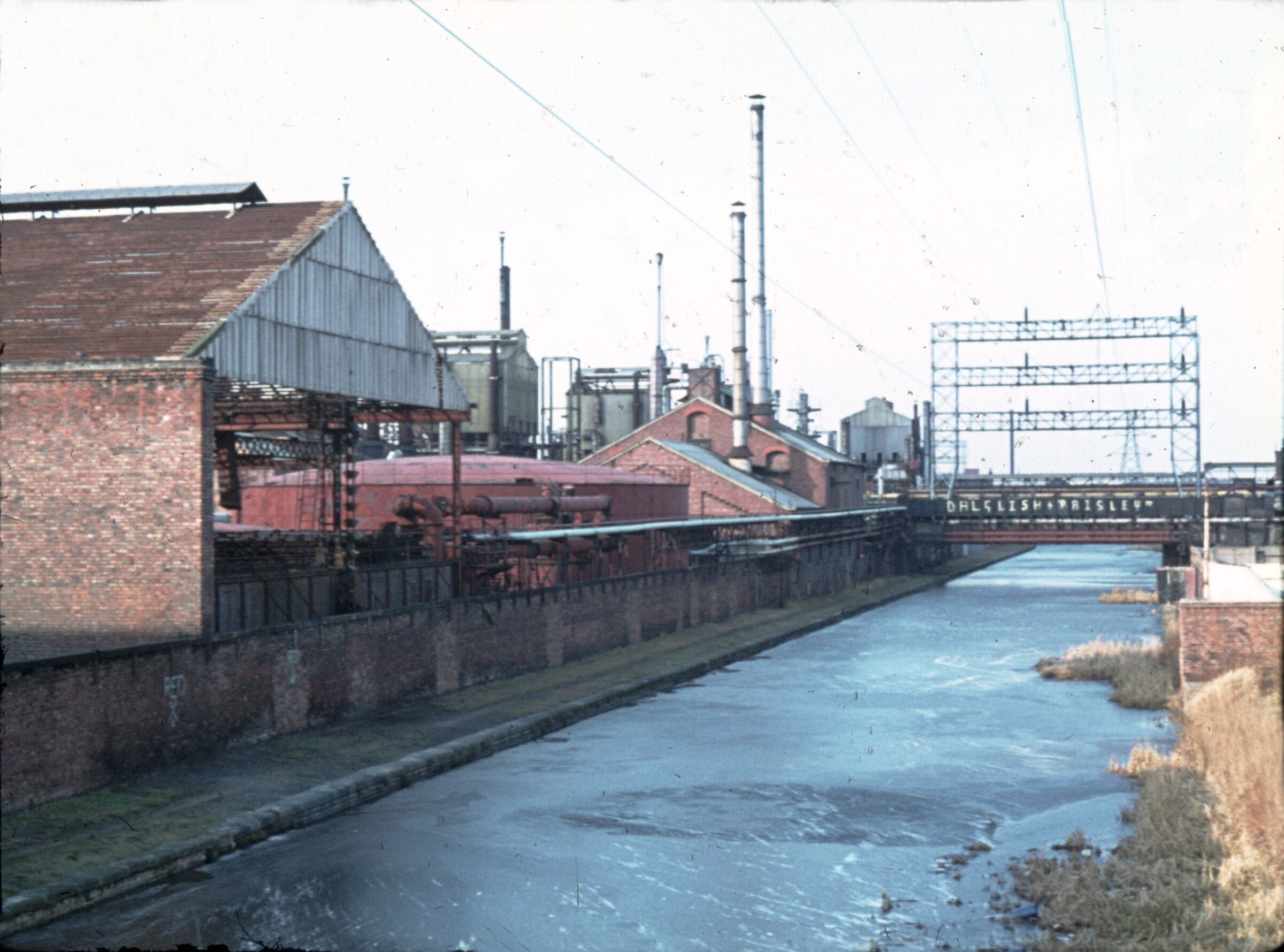
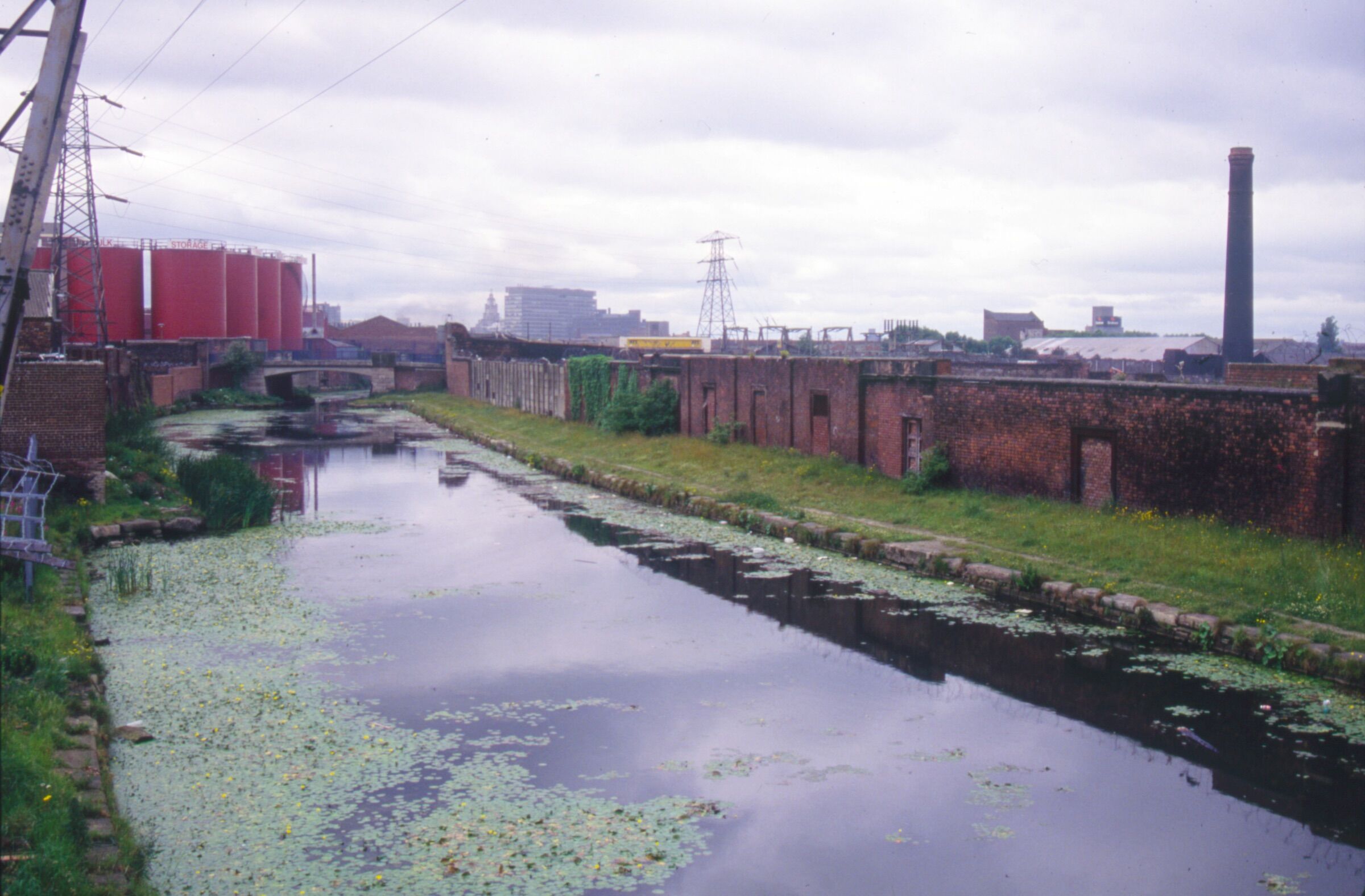
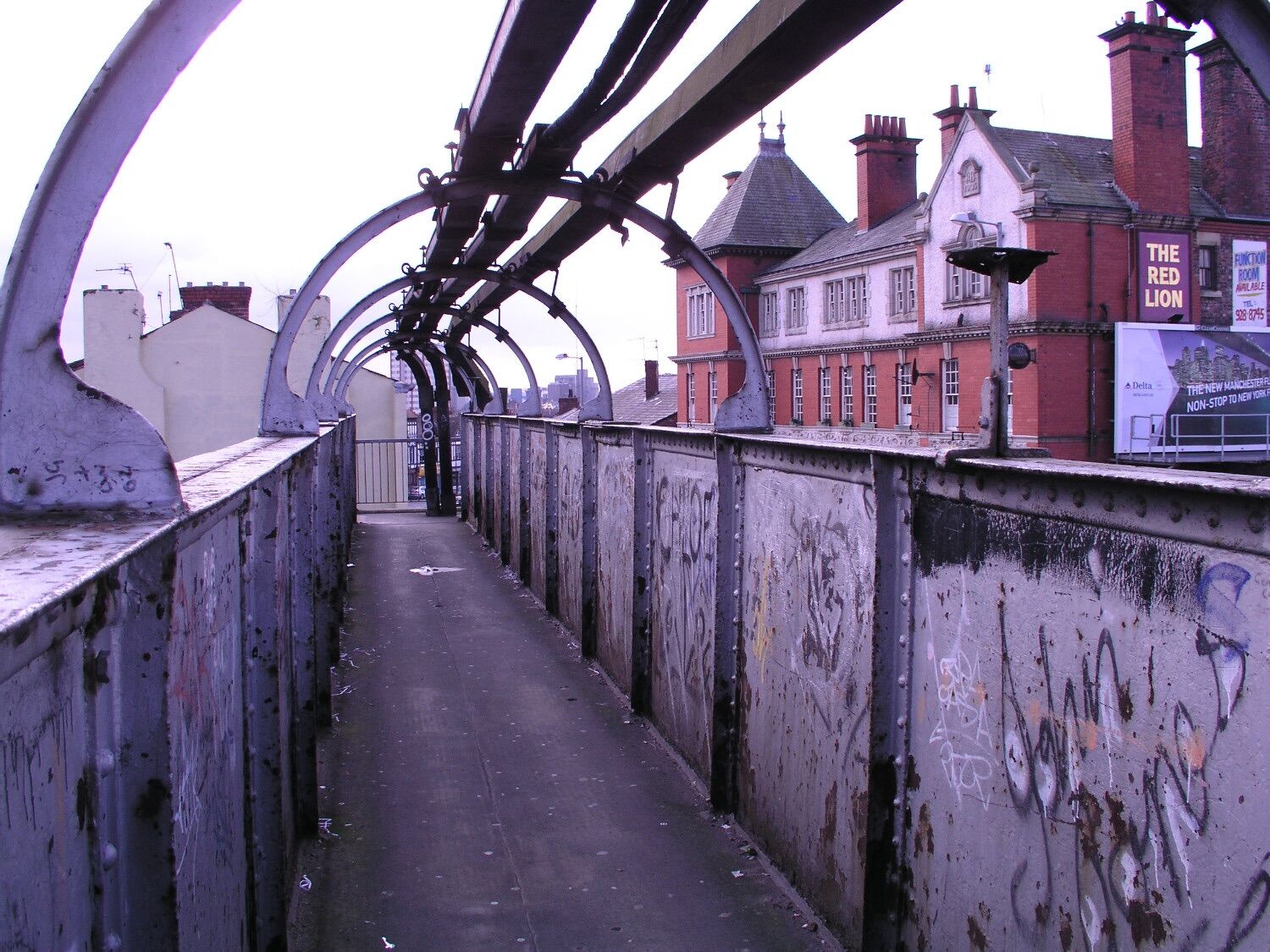
Linacre had rail access, the bridge in the photo, so did they get supplied by rail? There was no direct rail access to Athol St, with coal transhipped at Bank Hall for onward delivery. I think Tate & Lyles were supplied in this way towards the end of their need for coal. The last photo is the iron footbridge at Litherland in 2006.

-
Sorry Roy, these are the only parts for which I have copies.
-
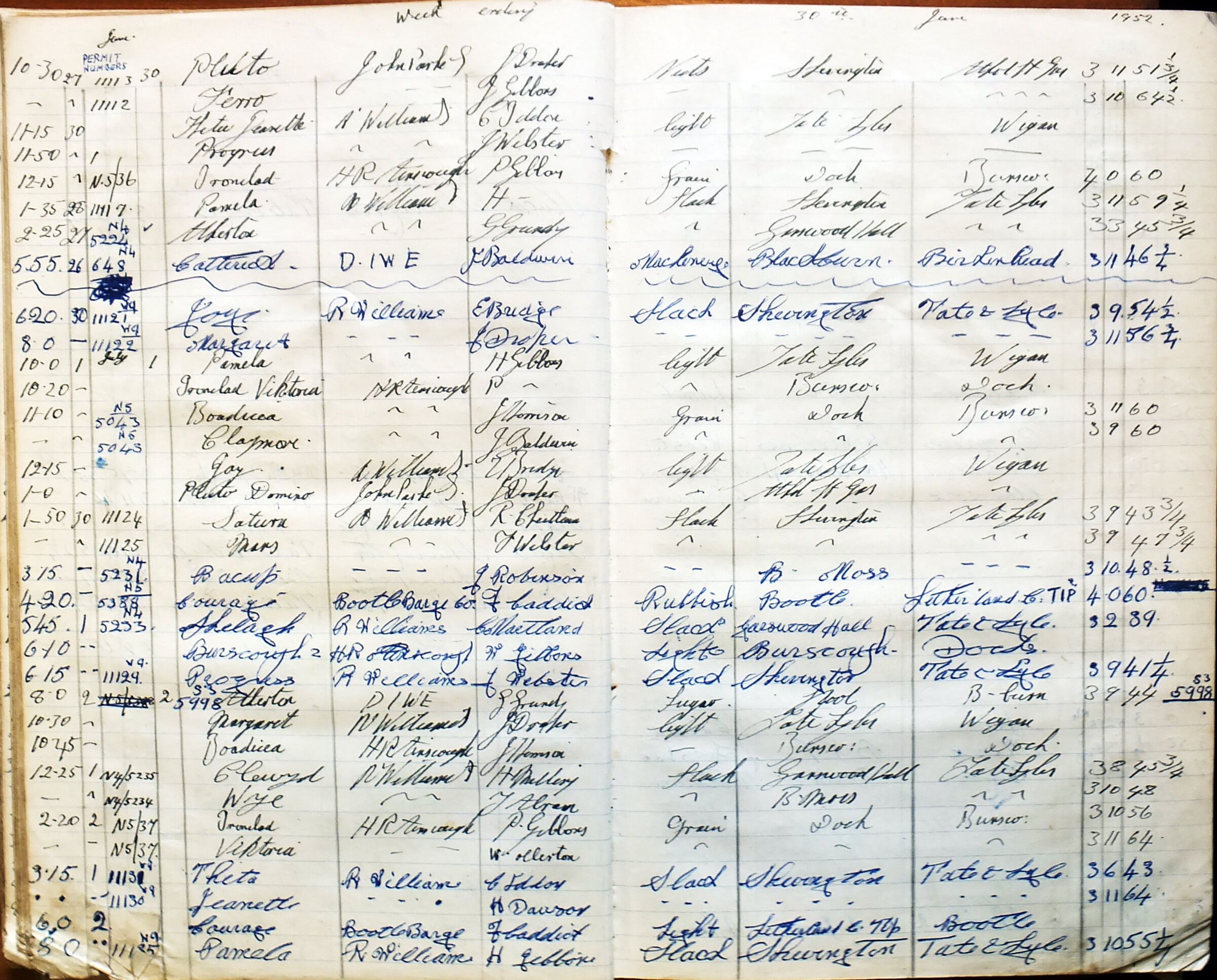
I have photographed about ten page from 1952, of which this is one. I think around quarter of a million tons were being carried at this time, which is around 12 loaded boats per day. I also have Geoff Wheat's copy for 1966. 1966-1971 Litherland.pdf
-
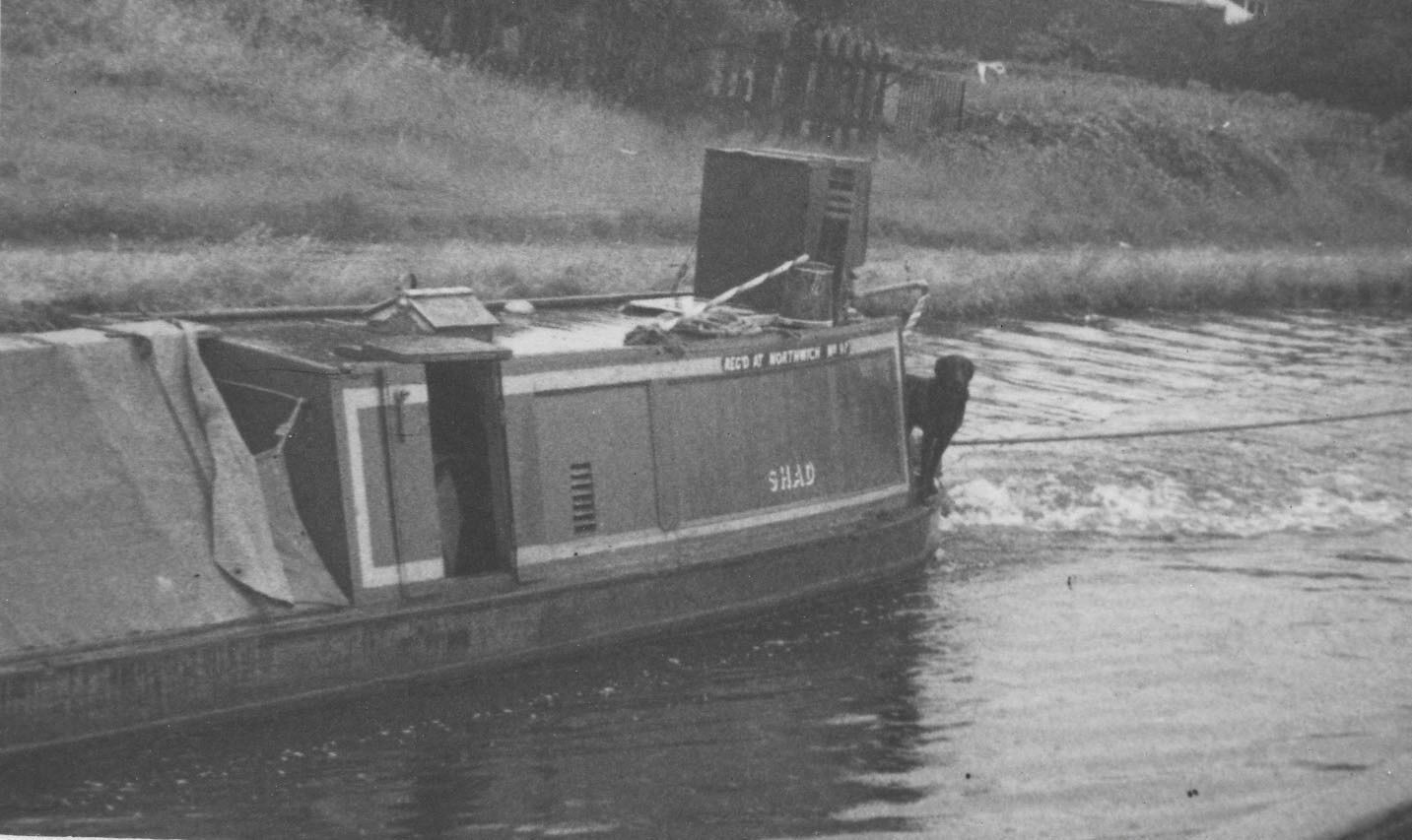
A photo by Tim Leech circa 1967 of Shad on the Bridgewater with a somewhat precarious rain shelter.
-
This post cannot be displayed because it is in a forum which requires at least 10 posts to view.
-
Steers may have grown up in Rotherhithe, but no records survive. He did serve as a Quartermaster in William of Orange’s army in the Low Countries during the wars in the early 1690s, returning to England and marrying Henrietta Maria Barber in 1697, mis new father-in-law providing a house for the coupe in Rotherhithe. Howland Great Dock was built in the early 1700s, and a survey by Steers of the Wet Dock Field survives, suggesting he may have been employed by the Howland Estate, though others undertook the work of building the dock. It was specifically for over-wintering and the repair of sailing vessels, with the Town Dock in Liverpool the first wet dock to be used for commercial trades. Steers was certainly the engineer for this dock, as well as several new navigations around the Irish Sea. Much of his knowledge of hydraulic engineering was probably based upon his time with the army in the Low Countries, which were a European centre for such knowledge at the time.
-
The best fenders can be made from a decent piece of soft wood, a foot or so in length, with a rope threaded through a hole. Cheap, so t doesn't matter if they float away in tidal/river conditions, and don't get caught in your propellor. Fenders that sink can end up damaging the sill of a lock gate, so should not be used.
-
I have not watched, but dd they mention that the engineer for the dock was Thomas Steers, who completed the Newry Canal in 1741, Britain's first summit level canal, and who was also the first engineer for the Douglas Navigation and the Mersey & Irwell Navigation, and was probably involved with the early phase of the Weaver Navigation. His work was a major step in creating the growth in inland navigation in the late 18th century.
-
Probably associated with a drain plug in the bed of the canal. The second photo does show a stream entering the canal opposite, so there may have been a culvert underneath the canal into which water could be drained, should the canal need emptying. A chain was usually attached to the plug, and this could have passed over the roller to a temporary winch on the towpath. There does not appear to be enough room to wrap the chain around the roller, so it may have originally been used elsewhere, and then used here when the concrete capping was fitted to the top of the towpath bank.
-
I suspect that the short piles were being used instead of the concrete piles which BW made and used in the 1950s and 1960s. These were principally to protect the bank from erosion caused by wash, and would not have been considered as a major structural feature. Wash was, and is, a major problem as when puddle was originally used to line a canal it was a mixture of loamy soil, sand and small stones, laid in several layers up to 4 feet thick. Clay was only used for very specific problems, such as aqueducts and other major structures. After all, prior to canals being built, there would be no cost-effective method of carrying sufficient quantities of clay to the construction site, whereas loamy soil was often found during excavation of the channel. I have transcribed details re canal puddling from several early 19th century civil engineering books, plus sections from the engineer's reports whilst building the Lancaster Canal, which cover the subject in more detail. These form an Appendix to my recent transcription of 'A Treatise on Inland Navigation', first published in 1817. See: www.canalhistory.co.uk if you would like to buy a copy. Simplistically, most of the recent structural problems seem to stem from the join between old and new methods of engineering. Both are effective on their own, but can create problems where they connect.
-
When did wood replace steel for lock gate construction
Pluto replied to Philip's topic in History & Heritage
The First World War pretty much destroyed the British timber industry, with land owners, post the war, not wanting to wait the best time for the wood for a return on their timber. The Rochdale Canal used piggy-back balance beams after the war as they could not source any suitable long lengths. Perhaps one of the best books to read which looks at timber usage around 1900-1920 is The Wheelwrights Shop by Sturt. -
When did wood replace steel for lock gate construction
Pluto replied to Philip's topic in History & Heritage
This could give some idea of how long gates lasted in commercial days. Notes re lock gate age.pdf