

Eeyore
-
Posts
1,276 -
Joined
-
Last visited






Eeyore's Achievements

Rising Star (8/12)
133
Reputation
-
A large engine on a low duty cycle is going to pass oil into the exhaust. This will happen to varying degrees depending on the condition of the engine, but it will happen. I have experience of new silencers that were easily handled by one man, but required a forklift to handle when blocked. It might be the cure, but don't think we aren't aware of how annoying that would be for you. Please check, if only to give you the satisfaction of telling us "I told you" 😉
-
No mention of the exhaust system yet? Have you tried running the engine with the exhaust disconnected?
-
Thats interesting @Tony Brooks, I didn't know that; my J4 had a petrol engine.
-
Simple version

-
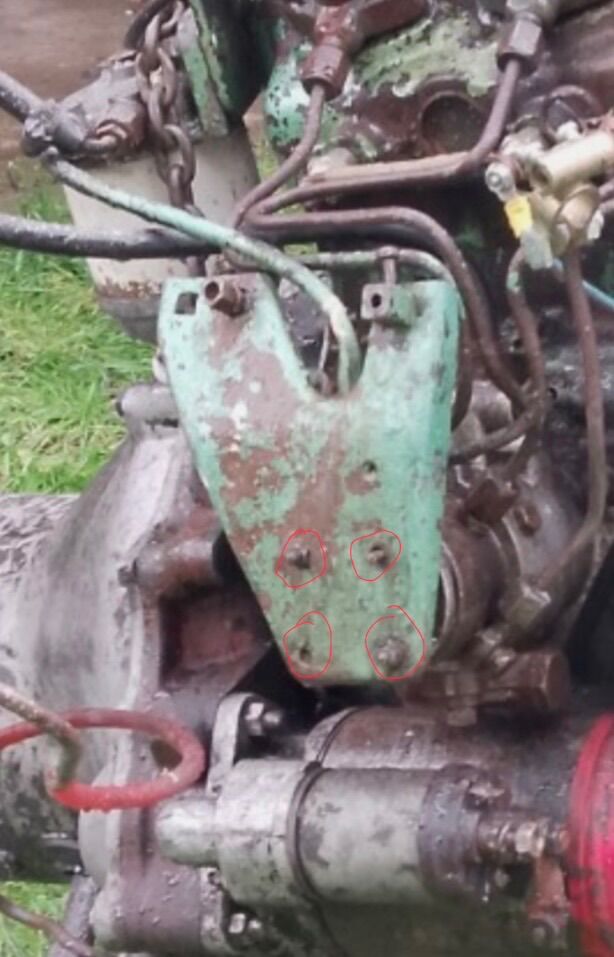
Do you mean something like this, on the 4 studs marked in red? There are variants that just use the two righthand side studs. Calcutt is the usual go to for bits like this.
-

Lister TS2 Alternator Pulley Nut Thread Direction
Eeyore replied to Lee Crook's topic in Boat Building & Maintenance
A photo of the alternator might be useful. They are generally right handed regardless of rotation; the important bit is that the cooling fan is handed to match the direction of rotation. -
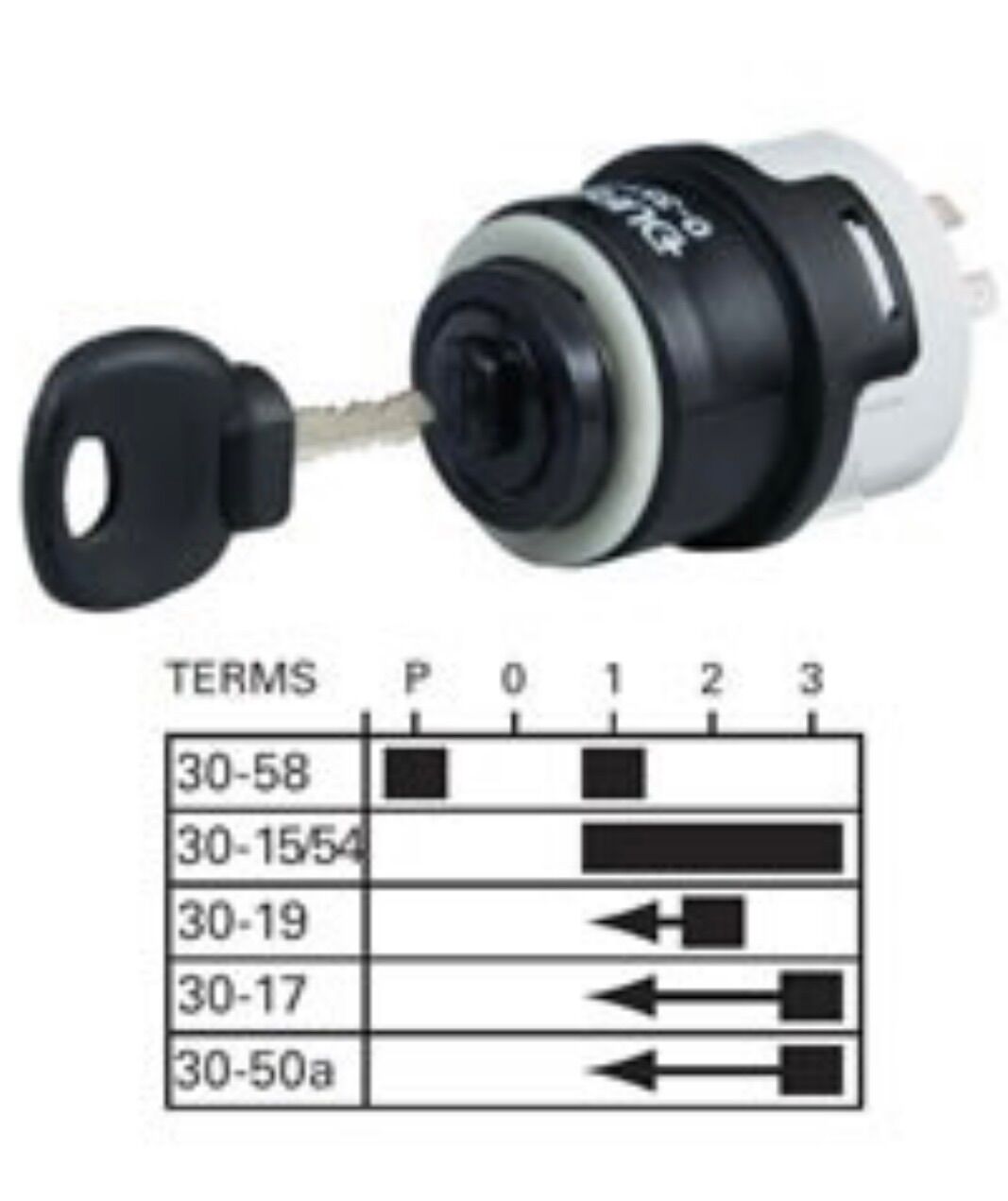
This might help, in addition to what’s already been said. Nicked from the Durite website. 30 battery positive 58 not used, unless you have parking lights. (And yes I do know that Vetus use it for the stop solenoid.) 15/58 ignition controlled positive feeds. 19 glow plugs. 17 & 50a energised in start position.
-
Would it still be "name & shame" if you issued a statement of fact urging owners of other boats from that company to check their wiring.
-
Yes, they must of had some fun tacking it all together whilst holding the alternator in the correct position to maintain the belt alignment.
-
Well thats a fun thing! Of more concern to me would be that the bores at each end of that link are not even close to parallel. This suggests that the welded lugs on the engine are not holding the bolt parallel to the crankshaft. A photo looking forward towards the back of the alternator might be useful.
-
Do you mean that your batteries are connected to the alternator via the isolating switch?
-
Glad you got it sorted 😀
-
Small Mitsubishi engines usually have Z section belts (10mm or 3/8" wide). An A section V belt would be described in imperial units, like the one shown. However the engine probably needs a Z section wedge belt. Usually specified as 10 x xxx. Of course the length of a wedge belt isn't its outside length, but one of the systems that calculates the length at a certain depth from the top surface. Fortunately the outside length will be quite close on a short Z section belt.
-
A common method of installation is to minimise the gap below the lower nut by adjusting the thickness of the packer between the engine beds and the mounts. Its a bit unusual to see what appears to be wood used as packers, but nothing wrong with it. Instal and set up as is, then measure the gap between the lower nut and the shield on the top of the mount. Add additional packing of this thickness below the mount (or just made new packers to suit). You'll probably need a minor adjustment after a few hundred hours, but the gap below the lower nut will still be minimal. Of course some will instal shims on top the mount and just tighten down from above. Hey presto - granny taught to suck eggs 😎😇
-
@Tony Brooks It looks like it could be a temperature controlled override for the idle speed to prevent stalling during warm up. The speed control lever seems to be in two parts to allow for that. I think the cable goes to a fitting at the back of the head, just to the left of the oil filter in the original image.