

Bod
-
Posts
2,057 -
Joined
-
Last visited
About Bod

Recent Profile Visitors
8,675 profile views




Bod's Achievements


-
Not that the following has anything to do with this problem, just shows how far some things can be got wrong. 2 stroke twin motorcycle, capable of 90+mph, could barely pull it's self along, after a de-coke. Every adjustment that could be made, was checked, and corrected, making things worse, every time. In desperation, the exhausts were removed, and the exhaust ports inspected. Suddenly two holes were seen in the piston skirts! A professional motorcycle fitter, had put both pistons in back to front. Correct reassembly, restored expected performance, along with quite a bill, which the customer happily paid, taking it back to the de-coker. Lesson is to check everything, even the most unlikely! In this case, what would be the effect of undersized pistons and rings being fitted? STD pistons fitted in very worn cylinders. Or not enough rings fitted. Bod.
-
Ok. Back to basics. Did the system work when originally fitted? Has the system been modified from original? When did the problem start? Are all components big enough? Clean and in damaged? Can any modifications be removed? Answers on a postcard please. Bod
-
How long have you had the boat? Has anything worked properly for you? What tools and multi meters do you have? Or have access to? Doesn’t matter if you don’t know how to use them, we can advise. Bod
-
In this situation, who would be at fault? Bod
-
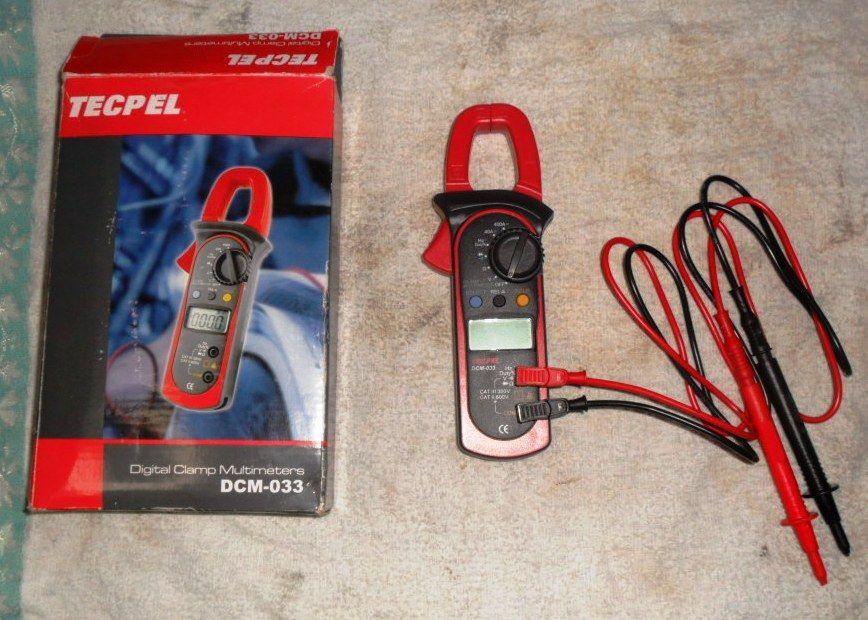
Do you have a multimeter? If not then one like this will tell you all you need to know. It must be one that has a DC clamp, not all are capable of reading DC amps, especially very cheap ones from the likes of Screwfix/Amazon/E-bay which are made for the house electrical market. Don't worry about not understanding how to use one, once you have one, and we know the make and model, then accurate information as how and where to use it, and what your results mean, will be forthcoming. Bod.

-
Following on from the Lithium Batteries thread. I understand the B2B charger, in reality I think is a form of relay, links the first battery from the charging source, (alternator) to a second battery. Enabling the second battery to receive charge from the alternator via the first. The question is how does the first battery not go flat, if the second battery is suppling current to the end user appliances. The last thing needed is a flat engine battery, when the lights go out! Bod.
-
Does you boat have a side hatch? If so, the cookers may be able to go out and in more easily through that. Just a thought. Bod.
-
Two possibilities. 1. How much water is still in the main water tank? Empty or part filled? Empty, what is the state of the main stop tap, in place or pushed off the tank? Ice forming in cold weather will push connections apart. 2. Pump out tank, refills. Is the rinse out cap in place? likewise the pump out cap? Both in place with good seals. This tank needs fully emptying ASAP. You have already found a leak point on this tank, the blue colour in the tank will be "Elsan Blue", rainwater from above will not be coloured till it mixes with rust under the floor. Brown water in the pan, what colour is the water from the taps? Clear, fine, brown tinge, water tank needs cleaning. (fill a jam jar, let it settle for a day or so, whats in the bottom?) Empty ALL water from the boat, including the hot water tank, and as much pipework as you can, this may mean blowing through pipes. (our boat has to have the shower pipe blown down till the pipes are empty. Keep mopping out till all is gone, it will take time to get it all. Bod.
-
Take note of the "Horse shoe" clip, the closed end should face the direction of travel of the chain. Bod
-
I was under the impression that the gas locker had to be empty, to allow the BSS examiner to inspect the locker floor for corrosion. Contents on the tow path weren't considered. Bod
-
Thanks for getting back to us. Feed back is always good. Bod
-
Smart gauge, has 2 volt meters built in, one for the main battery(ies) which is connected to the SOC display, the other just gives the voltage of the secondary battery only. I'm inclined to replace the start battery, as there is clearly a fault in one cell. It's wether it's worth shuffling the leisure batteries around. I don't know. The last set of leisure batteries, had had a life on a cherry picker, before the boat, where they lasted at least 5 years, before I replaced them like for like type wise, as the original make and model hadn't been made for nine years. I'm hoping for a few more years from this set. Bod
-
Flooded lead acid starter battery, appears to be discharging faster than normal. Monitored by a Smart gauge. The batteries, both starter and domestic are linked and charged by solar only during the winter, this has given no problems for the last 6-8 years. Recently the smart gauge has been showing a decrease in percentage of charge. Not rising in the sunshine, not that we've had much! Start battery is at least 15 years old, and could be much older. Domestics are 12 years old, semi tractions. I've disconnected the starter battery completely, the voltage after being disconnected for 1 hour was 12.08 and falling. No point in testing the domestics as the solar was charging them well. Hydrometer readings for the start battery put 5 of the cells in the green (well charged) the 6th next to the - terminal, didnt rise at all, fully in the "flat" red area. Is there any point in separately mains charging this battery, or just replace it? Next question. The domestic batteries are 6 volt arranged in series and parallel to give 12 volts. To remove the start battery, at least two of the domestic batteries will have to be removed for space, or the exhaust silencer moved! These 4 batteries have never been disturbed since fitting. When replacing the two removed to make space to get the start out, should they be replaced as was, or would there be advantage in shuffling the 4 around? 2431, instead of the original 1234. Thanks Bod
-
Having quickly read the, The Future of Licensing: Report of the Commission on Boat Licensing October 2025 One thing stood out, although legislation was mentioned in places, there seemed to be a complete lack of understanding of the legislation by the author. Indeed there is no link to any waterways legislation, only vague references. One outstanding example is the Commission's handling of the 14 day limit for boats with no home mooring, and the distance moved. The legislation that demands this, gives no required distance, among other things, but it does allow the "Board" to publish what it would take to "Satisfy the Board". Hence if C&RT were to publish clear requirements as to what it would take to "Satisfy the Board" all misunderstandings would be removed. Again with the Bylaws, as I understand it, should a Bylaw be broken, the case is put before a Magistrate, any fine not being paid, is then dealt with by the Court not C&RT. The Courts have a great deal of power to enforce their decisions, which C&RT do not. Where this report comments on legislation, then it should quote the revelent passages from the Act in question, for a clear understanding to the reader. In my opinion, there is enough law already in place to run the waterways, it's just the will to use it thats lacking. True if all the various Acts over the years were consolidated into one Act, then everthing would be much clearer. The fact that C&RT, BWB before were created by Statute, which the law defines exacty what they can do, and by defination what they cannot do. Being a Limited Company, with Charitable aims has very much confused the issue. Bod .
-
Connecting alternator to leisure batteries
Bod replied to wouldiwere123's topic in Boat Building & Maintenance
Whats the problem with the generator? Engine or electrical? Bod